
Sri Lanka Travel Safety:
a calm, practical guide
Emergency numbers, road and beach safety, common scams and temple etiquette. Everything our drivers tell guests before the first mile.
Is Sri Lanka safe for tourists?
Yes, for the vast majority of visitors. Violent crime against tourists is rare, and people are famously welcoming. The real risks are everyday ones: busy roads, opportunistic scams, strong sea currents in the off-season and the odd curious monkey. Plan for those and Sri Lanka is one of the easiest countries in Asia to travel.
This guide collects the advice we give every guest, together with the official emergency contacts. Bookmark it or save it on your phone before you fly.
Emergency numbers in Sri Lanka
- 119 or 118
Police emergency - 1990
Ambulance (Suwa Seriya, free) - 110
Fire and rescue - +94 11 242 1052
Tourist Police, Colombo - 1912
Sri Lanka Tourism 24/7 hotline - +94 11 269 1111
Colombo National Hospital accident service - +94 77 745 4582
Our 24/7 guest support
From a foreign SIM, dial the full number with +94. Save these before you travel.
On the road: the biggest risk, and the easiest to remove
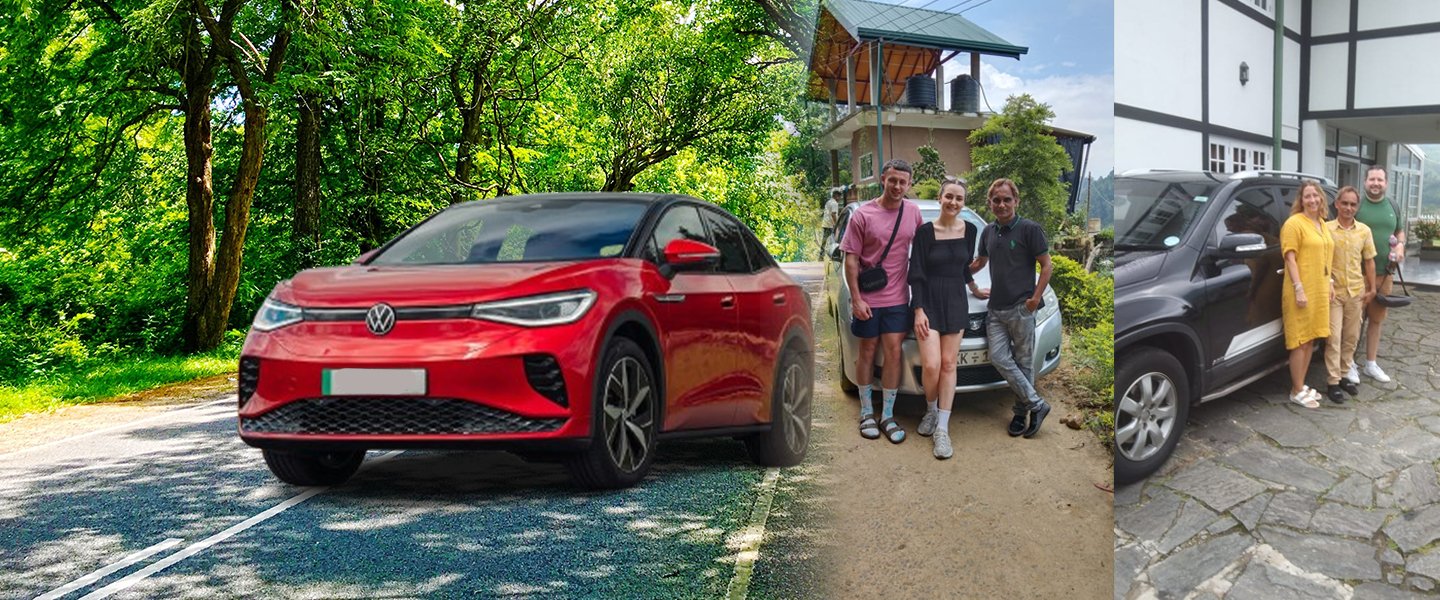
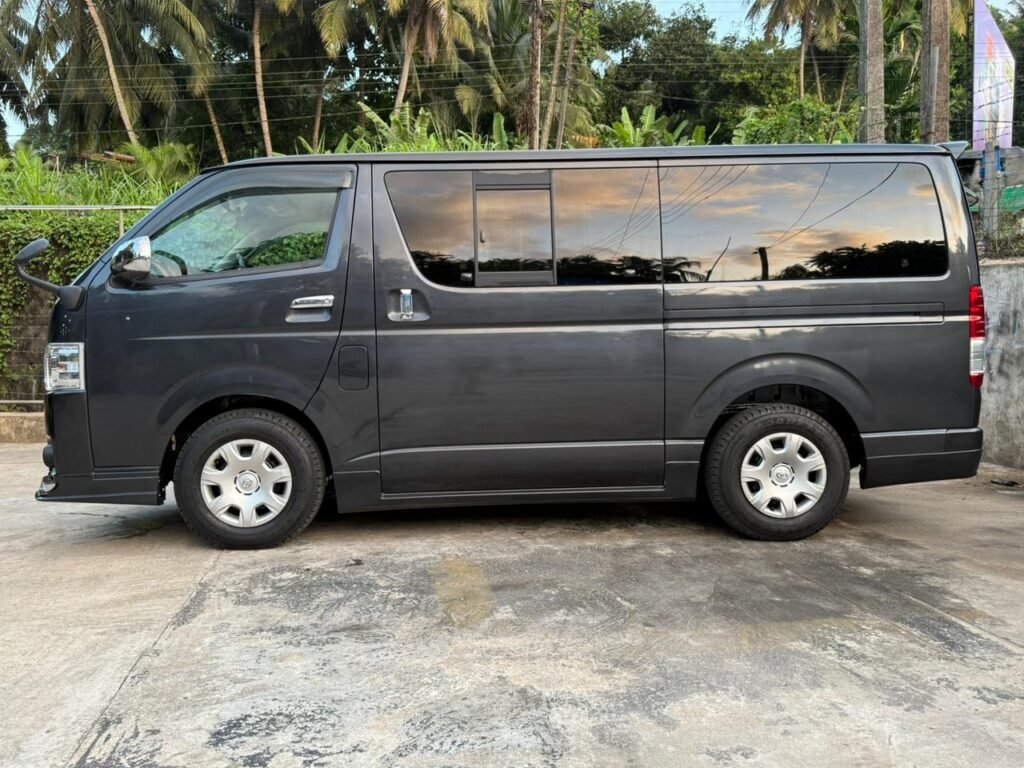
Driving in Sri Lanka is not like driving at home. Roads are narrow and winding, buses overtake on bends, and you share the lane with tuk tuks, motorbikes, dogs, cows and the occasional elephant. Most serious accidents involve two-wheelers and tuk tuks, and several governments advise visitors to consider hiring a driver rather than self-driving.
- Travel with a professional driver who knows the routes, the weather and the local habits.
- Wear a seat belt in every seat, and ask for a child seat when you book.
- Avoid long hill-country drives after dark, when visibility and fog make the bends harder.
- In tuk tuks, keep bags on your lap and away from the open sides.
Common scams and how to avoid them
Scams in Sri Lanka are mostly about money, not danger. Knowing the usual tricks is enough to sidestep them.
- The broken meter: a tuk tuk driver says the meter does not work, then charges a high fare on a phone app. Agree the price first, or book through a ride app.
- The special festival or gem shop: a friendly stranger offers a detour to a festival that is only on today, ending at a gem shop with glass stones at gemstone prices.
- Damage claims: some surf and scooter rentals claim you damaged the equipment. Photograph it before you set off.
- Online and WhatsApp scams: be wary of unsolicited messages asking for money or card details.
Beaches, sea and wildlife
Many beaches have strong surf and rip currents at certain times of year. The south and west coasts are calmest from roughly December to April, the east coast from May to September. Ask your hotel or driver which beaches are safe that week, and swim near lifeguards.
- On safari, stay inside the jeep and keep your voice low near elephants.
- Never feed monkeys, and keep food out of sight at temples and viewpoints.
- In rainforests like Sinharaja, long socks help with leeches.
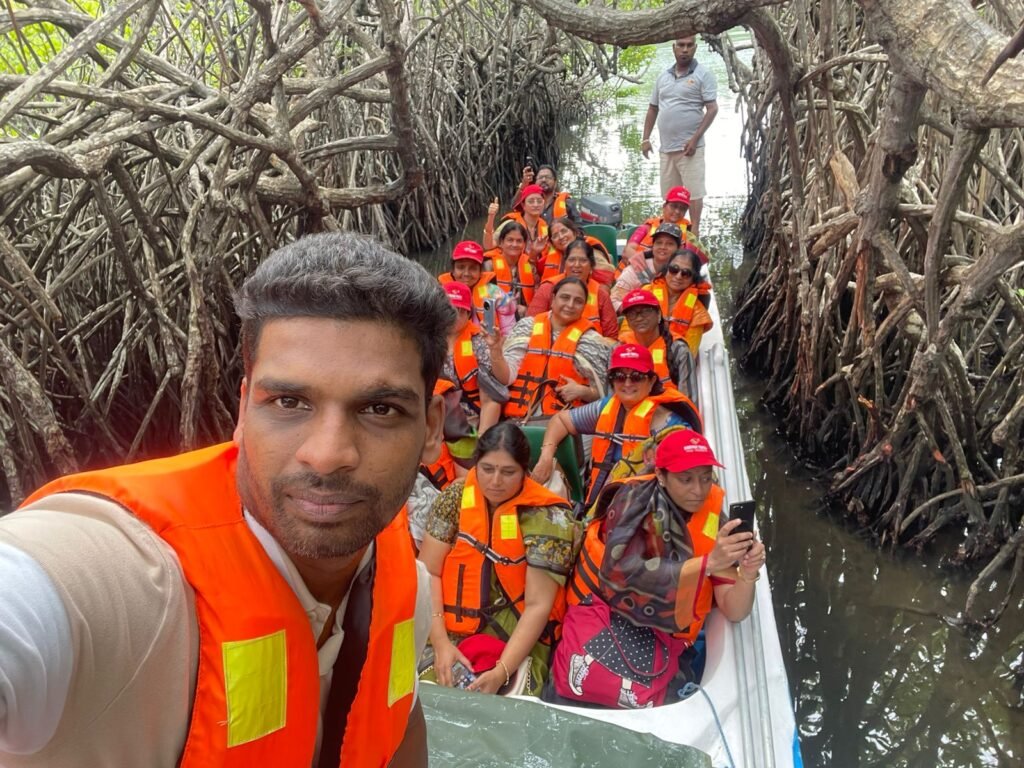
- Wear a life jacket on every boat trip, including short river safaris.
Respect local customs
- Cover shoulders and knees at temples, and take off shoes and hats.
- Never pose with your back to a Buddha statue, and do not touch statues.
- Visible Buddha tattoos can lead to refused entry or deportation, so keep them covered.
- Ask before photographing monks or people.
Stay healthy
- Drink bottled or filtered water, not tap water.
- Use mosquito repellent at dawn and dusk. Dengue is present in Sri Lanka.
- Pack high-factor sunscreen and drink more water than you think.
- Buy travel insurance that covers medical care and evacuation.
Before you fly: a short safety checklist
- Travel insurance confirmed, policy number saved offline
- Photos of your passport, visa and bookings in your email
- An eSIM or local SIM so maps and WhatsApp work from day one
- Your itinerary shared with someone at home
- Emergency numbers from this page saved in your phone
- Your driver or tour company contact on WhatsApp
Sri Lanka travel safety FAQ
Is Sri Lanka safe for solo and female travellers?
Yes, with normal precautions. Dress modestly away from beaches, use trusted transport at night, and be firm with unwanted attention. Travelling with a vetted private driver removes most of the hassle of public transport.
Is it safe to travel at night in Sri Lanka?
Towns are generally fine in the evening, but long drives after dark are best avoided, especially in the hill country where roads are steep, unlit and often foggy.
Can I drink tap water in Sri Lanka?
It is best not to. Use bottled or filtered water, and many hotels provide refill stations.
What should I do if I lose my passport?
Report it at the nearest police station to get a police report, then contact your embassy or high commission in Colombo for an emergency travel document. Your driver can help you get there.
Is hiring a private driver safer than driving myself?
For most visitors, yes. A local driver knows the roads, the traffic habits and the weather, so you can enjoy the views instead of navigating buses and tuk tuks.
Travel with a driver who knows the roads
English-speaking drivers, air-conditioned vehicles and 24/7 support for your whole trip.